Lammas, also known as Lughnasadh, is celebrated each year around August 1 and marks the beginning of the harvest season. For Wiccans and many other pagan traditions, it is a time to give thanks for the first crops of the year, recognize personal growth, and prepare for the changing seasons ahead. While its roots trace back to ancient Celtic traditions, Lammas continues to hold meaning for modern pagans across the United States, including those who call Nebraska home.
What Is the Pagan Holiday Lammas?
The word “Lammas” comes from the Old English phrase “loaf mass,” referring to the tradition of baking bread from the first harvested grain. The Celtic festival of Lughnasadh honors the god Lugh and celebrates the beginning of the grain harvest. Today, many Wiccans and pagans observe Lammas as one of the eight Sabbats that make up the Wheel of the Year.
The holiday represents gratitude, abundance, and the rewards that come from months of hard work. It is also a reminder that every season has its purpose. Just as farmers gather the fruits of their labor, many pagans use Lammas to reflect on personal achievements, spiritual growth, and goals that have begun to take shape throughout the year.
Nature plays an important role during Lammas. Wheat fields, gardens, orchards, and wildflowers all serve as reminders of the Earth’s generosity. Gold, yellow, orange, and green are common seasonal colors used to decorate altars and sacred spaces.
How Can Wiccans and Other Pagans Celebrate Lammas in Nebraska?
There are many simple and meaningful ways to celebrate Lammas, whether you practice alone or with a coven.
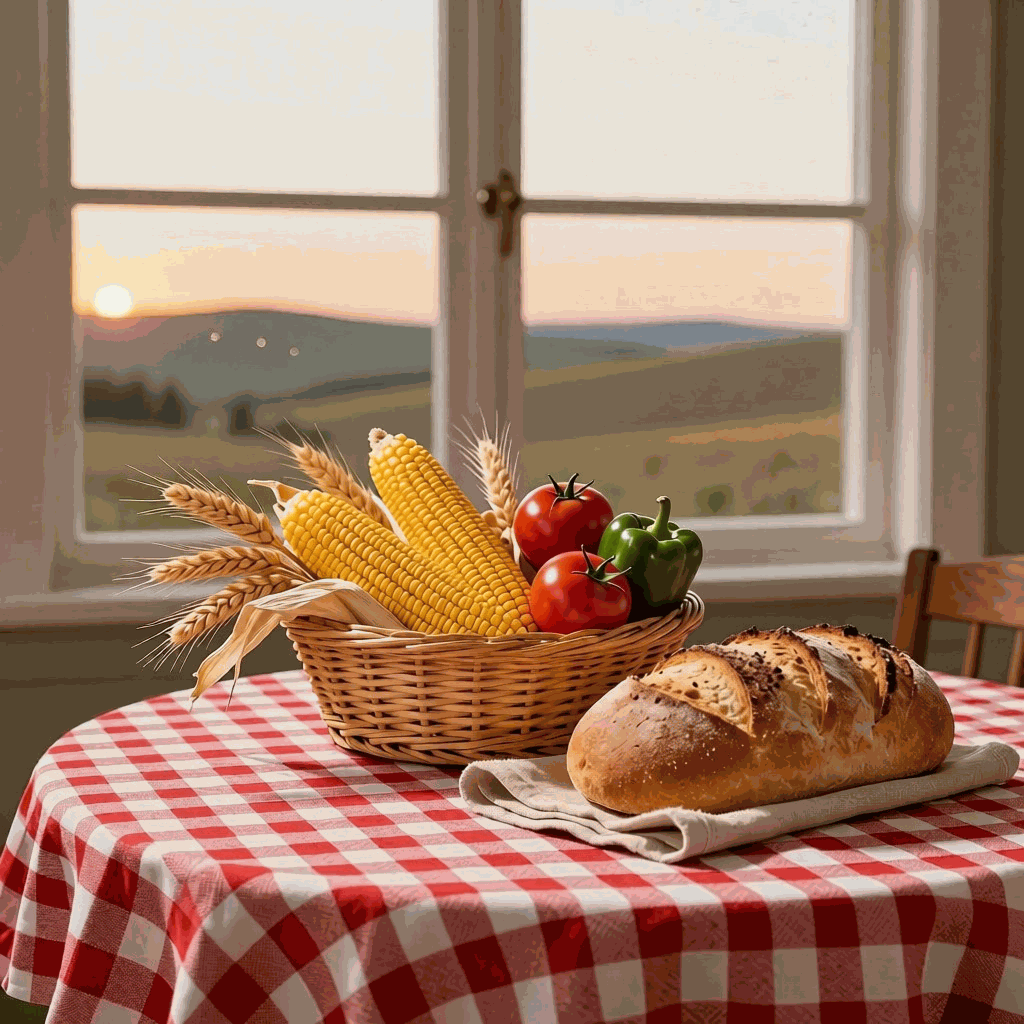
Baking fresh bread is one of the most popular traditions. Sharing a homemade loaf with family or friends symbolizes gratitude and community. Many practitioners also prepare meals using locally grown vegetables, fresh berries, honey, and herbs that are in season.
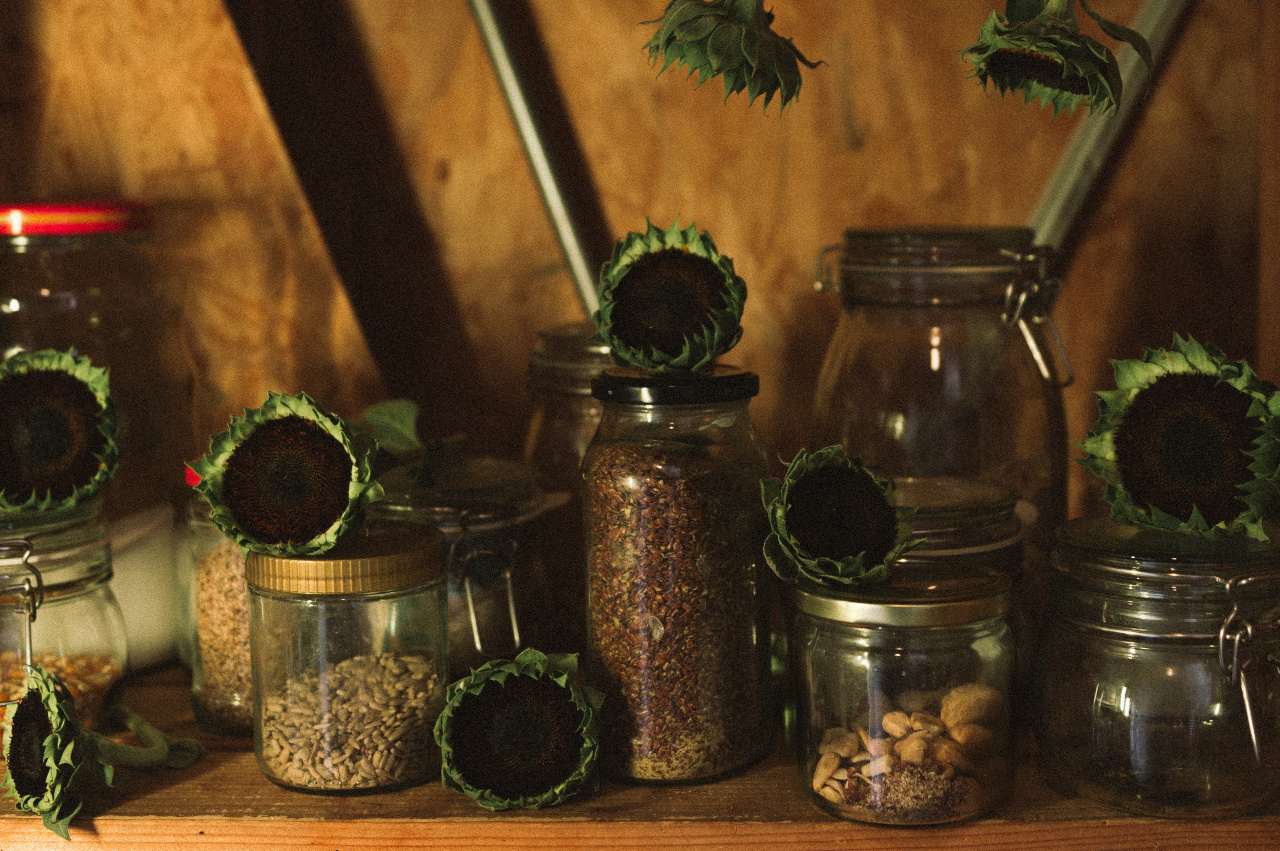
Creating a harvest altar is another meaningful activity. Decorate it with wheat, corn, sunflowers, apples, gourds, candles, crystals, or handmade crafts that represent abundance and the changing season.
Many Wiccans also spend time outdoors. Nebraska offers beautiful prairies, rivers, and parks that provide peaceful places for meditation, gratitude rituals, or simply appreciating nature. Walking through a local farmers market, harvesting vegetables from your own garden, or supporting local farms are also excellent ways to honor the spirit of Lammas.
Some pagans write down accomplishments from the past year and express gratitude for the lessons learned. Others perform simple rituals asking for continued wisdom, strength, and prosperity as autumn approaches.
For Nebraska pagans, Lammas often carries additional significance because agriculture remains one of the state’s defining industries. Cornfields, wheat, soybeans, and family farms shape much of the landscape and local economy. Celebrating the first harvest creates a direct connection between ancient traditions and the modern agricultural communities that continue to feed millions of people.
Even those who do not farm can appreciate the importance of the harvest season. Visiting local festivals, shopping at farmers markets, preserving garden produce, or simply sharing a meal made with local ingredients reflects the values that Lammas represents.
As more people discover earth-based spiritual paths, Lammas continues to grow in popularity as a celebration of gratitude, community, and the natural cycles of life. Whether observed through ritual, baking, gardening, or spending quiet time outdoors, the holiday offers an opportunity to slow down and appreciate both the abundance of the Earth and the personal harvests that come through dedication and perseverance.